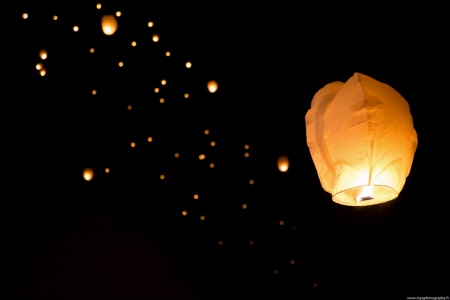
Siamo petali al vento.


La vita è un soffio leggero che ci solleva, ci trasporta, ci fa danzare senza una meta precisa. Siamo petali al vento, fragili eppure incredibilmente resistenti, sospinti da correnti che non comprendiamo. Ogni spirale, ogni esitazione nell’aria sembra una scelta, ma forse è solo il destino che si compie.

Nelle nostre fibre più sottili è inciso il viaggio, la dolce resa alla caduta. Resistiamo per un attimo, librandoci nell’illusione di poter decidere la traiettoria, poi ci abbandoniamo all’inevitabile. Ma cadere non è scomparire: è trasformarsi.

Sfioriamo altre vite nel nostro vagare, intrecciamo istanti che sembrano eterni eppure si dissolvono in un battito di ciglia. Alcuni ci restano accanto per un tratto, altri si perdono nel turbinio del vento, lasciandoci con la sensazione di un’assenza che pesa più dell’aria stessa.

Infine, giungiamo a terra. Il nostro colore sbiadisce, la consistenza cambia, ma non è la fine: è solo un altro stato dell’esistenza. Il vento che ci ha portati lontano potrebbe tornare, sollevarci ancora una volta, trascinarci oltre i confini di ciò che credevamo immutabile.

Perché nulla resta fermo davvero. Nemmeno un petalo.


Conflict between science and religion

Many sociologists, like William Bainbridge (1997), argue that the relationship between science and religion is complex and cannot be explained simply by stating that they stand in opposition to each other. There have been developments and changes in both areas that made them seem more compatible than before.

Relationship between science and religion
Religious pluralism and diversity: Some religious subgroups are not as strict about the scripture and dogmas of ancient texts any more. They are open to new ideas both from religion and science. Many changes have happened within traditional religions, which suggests that religions overall can evolve as well. Theology has always had different strands.

New religious movements and New Age movements are more compatible with science than conservative, fundamentalist religions.

Scientists such as Stephen Jay Gould (1999) claim that science and religion are compatible because they deal with different areas of life that do not overlap and can exist side by side.

Science aims to define the evolution and the laws of nature.

Religion is set to define the meaning of life and provide moral guidance and psychological relief.

Deism: According to deists, God created the universe, but then it evolved on its own. Scientists can discover what the workings and laws of this God-created universe are.

Some religions use science as a foundation for their theories.

Scientology, for example, developed the E-meter, which is said to track people’s spiritual progress. However, its validity is questioned.

The existence of scientific paradigms, like gravity, suggests that there are also fundamental, closed rules in science.

Science as a closed system
Though some theorists argue that science is open and critical, science historian Thomas Kuhn (1957) points out that scientific ‘facts’ proven in well-established fields, e.g. geology or physics, are based on shared assumptions – a paradigm.

The paradigm tells scientists about the nature of reality, what questions to answer, what is acceptable as evidence, etc. A scientist who challenges this paradigm may be ridiculed and even shunned by the scientific community. This is what makes science, argues Kuhn, in reality a closed system.


Menu
Sociology
Beliefs in Society
Science and Religion
TABLE OF CONTENTS
Have science and religion ever been compatible with each other?

According to some beliefs, the two cannot coexist with each other, people choose either one or the other. There have, however, always been scientists who believed in God and religious individuals who supported the development of sciences. We will look at what sociologists hold of the two in relation to each other.

We will start by looking at a summary of science and religion.
Next, we will outline the differences between religion and science in sociology.
Then, we will look at the relationship between science and religion in more detail.
Finally, we will look at sociological perspectives on science and religion.
Everything you’ll need for your studies in one place for Science and Religion
StudySmarter’s FREE web and mobile app

Get Started Now
Science and religion: a summary
Some sociologists see a clear conflict between science and religion, while others believe in a more compatible relationship between science and religious belief. Karl Popper argues that science is an open belief system based on empirical data collection, continuous criticism and value freedom.

Traditional religions are usually closed belief systems with absolute truths based on God’s words, recorded in ancient texts, rather than on experiments and questioning.

Differences between religion and science in sociology
The table below displays the contrasting characteristics of science and religion, respectively.

Science

Religion

The main concern of science is the physical, while religion focuses on the supernatural world.

Scientific knowledge is gained through empirical methods, such as experiments.

Experiments are standardised, so any scientist, anywhere, can repeat them and confirm or deny the results.

Religion’s basis is faith. Knowledge in religion comes from God (or the gods), whose existence is based on belief rather than empirical evidence.

Religious belief is subjective and cannot be proven (or disproven) by anyone.

Science is an open belief system, while religious beliefs represent a closed one.

Data and information obtained through scientific research are open to testing by other scientists and institutions.

According to Karl Popper (1959), scientists must purposely try to find mistakes in their peers’ research, as this is the only way to ensure scientific facts are correct and unbiased.

Theology teaches that fundamental ideas, figures and knowledge in religion are sacred and should not be criticised by believers.

The scientific knowledge system is ever-evolving, while religious belief is based on an absolute knowledge system.

Scientific knowledge has evolved and improved through the repetition of experiments, challenging previous works, and debates and discussions between many scientists.
The ideas and practices of religious texts are usually seen as stating absolute truths that do not change over time.

Many fundamentalist Christians, for example, reject the scientific concept of evolution and believe that God created the world just as it was written in the Bible more than 2000 years ago.

Scientists aim to be objective and value-free, while religion is a highly subjective belief system.

The personal feelings, values and opinions of scientists must stay out of the scientific process.
The level of participation and commitment in religious practices are highly dependent on personal experience and belief.

Prayer, for example, is a very subjective, personal experience.

Science tries to remain independent of government and state, while religions have historically been, and often still are, closely linked to the state.

Table 1 – Differences between science and religion.

Create Science and Religion notes faster than ever before
StudySmarter’s FREE web and mobile app

Get Started Now
Conflict between science and religion
Many sociologists, like William Bainbridge (1997), argue that the relationship between science and religion is complex and cannot be explained simply by stating that they stand in opposition to each other. There have been developments and changes in both areas that made them seem more compatible than before.

Relationship between science and religion
Religious pluralism and diversity: Some religious subgroups are not as strict about the scripture and dogmas of ancient texts any more. They are open to new ideas both from religion and science. Many changes have happened within traditional religions, which suggests that religions overall can evolve as well. Theology has always had different strands.

New religious movements and New Age movements are more compatible with science than conservative, fundamentalist religions.

Scientists such as Stephen Jay Gould (1999) claim that science and religion are compatible because they deal with different areas of life that do not overlap and can exist side by side.

Science aims to define the evolution and the laws of nature.

Religion is set to define the meaning of life and provide moral guidance and psychological relief.

Deism: According to deists, God created the universe, but then it evolved on its own. Scientists can discover what the workings and laws of this God-created universe are.

Some religions use science as a foundation for their theories.

Scientology, for example, developed the E-meter, which is said to track people’s spiritual progress. However, its validity is questioned.

The existence of scientific paradigms, like gravity, suggests that there are also fundamental, closed rules in science.


Do you want to see this and many more great infographics?

SIGN UP NOW FOR FREE
Fig. 1 – New Age movements are more compatible with science than traditional religions, according to some sociologists.

Stop procrastinating with our smart planner features for Science and Religion
StudySmarter’s FREE web and mobile app

Get Started Now
Science as a closed system
Though some theorists argue that science is open and critical, science historian Thomas Kuhn (1957) points out that scientific ‘facts’ proven in well-established fields, e.g. geology or physics, are based on shared assumptions – a paradigm.

The paradigm tells scientists about the nature of reality, what questions to answer, what is acceptable as evidence, etc. A scientist who challenges this paradigm may be ridiculed and even shunned by the scientific community. This is what makes science, argues Kuhn, in reality a closed system.

Science and religion: sociological perspectives
How do different sociological perspectives see science as a belief system? You can find the answer below.

Create and find the best flashcards for Science and Religion
StudySmarter’s FREE web and mobile app

Get Started Now
Functionalists on science as a belief system
Robert K. Merton (1973), a functionalist, claims that science only works when supported by other institutions and values, including religious ones. He defines four leading norms that guide scientists in their research under the acronym CUDOS:

Communism: scientific knowledge is the property of the people. Scientists must share their findings with other scientists so that science can evolve.

Universalism: the validity and reliability of scientific knowledge is judged by universal, objective criteria.

Disinterestedness: scientific knowledge must be pursued for its own sake.

Organised scepticism: all scientific findings are open to criticism and challenge.

Interpretivists on science as a belief system
Interpretive sociologists argue that all knowledge, including science, is socially constructed. They argue that rather than being objective truth, scientific facts are produced within a paradigm that tells practitioners what they should expect to see and what instruments they ought to use.

Marxists and feminists on science as a belief system
Both Marxist and feminist theorists are critical of science as a belief system. They view science as serving the interests of dominant groups and view scientific developments as being driven by the need for certain types of knowledge.

Modernists on science as a belief system
Modernist Anthony Giddens argues that science is becoming more and more significant in people’s lives, but this is not because of the decline of religion. It is due to the decrease in traditionalism.

Postmodernists on science as a belief system
Theorists who follow the postmodernist tradition, such as Jean-Francois Lyotard (1984), argue that science is based on meta-narratives, which they – in general – reject. They claim that through the meta-narratives and the concept of absolute truth, science also plays a role in the domination and manipulation of the people, just like religion.

Pensare ad un ELOGIO

La parola elogio deriva dal greco per "lode"

In termini di funerale, un elogio funebre è un'opportunità per tenere un discorso commemorativo. Permette il tempo di ricordare e concentrarsi sulla persona che è morta. L'elogio funebre medio di solito dura tra i 5 ei 10 minuti. Non c'è molto tempo per illustrare una persona e la sua vita, quindi è importante essere concisi e usare il tempo in modo efficace.

La maggior parte di noi ritiene importante che la vita e la personalità del defunto siano ben rappresentate durante una cerimonia funebre. Un celebrante verrà addestrato su come scrivere e pronunciare un buon elogio funebre. Tuttavia qualcuno che non conosceva il defunto potrebbe non essere la persona più adatta per fornire questa parte del servizio. I membri della famiglia potrebbero sentirsi incapaci di parlare da soli e preferirebbero che l'elogio fosse pronunciato da un amico o da qualcuno che conosceva bene la persona amata.

Essere invitato a scrivere un elogio funebre è un onore ma può anche sembrare un compito arduo: da dove inizi?

Prima di tutto questo non è qualcosa da affrettare, quindi concediti un sacco di tempo. Parlare con gli amici e la famiglia del defunto è un buon punto di partenza. Fai domande, ottieni informazioni, condividi aneddoti e ricordi divertenti.

Pensa a chi ti rivolgerai. Non tutti al funerale conosceranno molto bene il defunto, quindi è utile includere una "storia in vaso" sintetica e informativa della loro vita. Dove hanno lavorato, vissuto, socializzato, praticato hobby ecc. Potresti menzionare familiari o amici intimi nel discorso. Un buon elogio funebre avrà un equilibrio di fatti, storie e umorismo. È facile cadere nella trappola di scrivere un pezzo molto formale, ma il tuo pubblico si impegnerà molto di più se il tono è leggero e colloquiale. Scrivi dal cuore e non affinare troppo il tuo discorso. Soprattutto, sii onesto nel tuo elogio, non ha senso descrivere un santo o parlare di qualità straordinarie che la persona non possedeva!

Dopo aver redatto un discorso scritto, provalo con alcune persone diverse, idealmente questo dovrebbe includere un membro della famiglia del defunto. Sicuramente migliorerà la tua fiducia se sai che le tue parole hanno l'approvazione della famiglia. Ricorda anche che anche l'elogio più bello scritto può essere rovinato se l'oratore si limita a leggere le parole dalla pagina. Prova e familiarizza con il discorso in modo che fluisca quando vieni a pronunciarlo. Probabilmente ti sentirai apprensivo ed emotivo mentre parli, quindi è utile avere delle note davanti a te, come promemoria delle parole chiave.

È immensamente soddisfacente aver pronunciato un elogio funebre di successo. Può essere una grande fonte di conforto per le famiglie che sentono che tu e loro avete reso giustizia alla memoria della persona amata.


fonte:https://www.funeralmagazine.co.uk/eulogy/

The Social Zombie.

Il mondo che ci circonda, il mondo del web e dei computer, del cloud e dei Social Network ha cambiato, per sempre, la nostra esistenza e ormai ne siamo consapevoli, ma cosa accade ai nostri account Social o del cloud sul quale abbiamo salvato foto e documenti? Muoiono con noi oppure i nostri eredi “raccoglieranno” quello che abbiamo lasciato nella rete? Come ben sappiamo i dati che nel tempo abbiamo lasciato in rete con l’attività online non “muoiono”, ma restano nel mondo digitale, al punto che é stato dimostrato che circa il 5% degli utenti del più famoso Social Network al mondo sono costituiti da “zombie digitali”. Questo è un caso controverso che non ha ancora trovato risposte univoche. Tuttavia, recentemente, la Corte Federale di Giustizia tedesca ha statuito, al termine di un lungo iter giudiziario, che Facebook é tenuto a garantire agli eredi dell’utente deceduto l’accesso al profilo e all’account.

La vicenda in questione riguarda una coppia tedesca che aveva chiesto di poter accedere al profilo Social della figlia, deceduta in circostanze non del tutto chiara, per cercare ulteriori indizi. Tuttavia, Facebook aveva negato loro l’accesso. É stato questo il motivo per il quale i genitori della ragazza agirono in giudizio dinanzi al tribunale di Berlino che, nel 2015, accolse il loro ricorso in virtù del fatto che il profilo social della ragazza era da considerare come una sorta  di “diario cartaceo” che può essere ereditato. Il secondo grado di giudizio, davanti alla Corte d’Appello di Berlino ha visto un “cambio di rotta”. Pertanto, i giudici, in seguito all’appello presentato da Facebook, accolsero la posizione di quest’ultimo che riteneva invece che la concessione delle credenziali di accesso fosse una forma di violazione del diritto alla riservatezza e del diritto all’oblio. Le motivazioni addotte dalla Corte d’Appello prevedevano la garanzia del diritto alla riservatezza, sulla base della Costituzione tedesca, alla persona anche dopo il suo decesso. La vicenda, conclusasi davanti alla Corte Federale nel 2017, ha visto la “vittoria” dal punto di vista giudiziale della coppia tedesca perché per i giudici non vi era alcuna violazione delle leggi tedesche e, allo stesso tempo, della nuova normativa in materia di protezione dei dati personali (Reg.UE 2016/679).

Pertanto, con tale pronuncia si è stabilito che il profilo Facebook di un utente deceduto può essere ereditato. Nel caso in questione, a ricoprire la carica di eredi sono i genitori e sulla base del nuovo regolamento europeo questi possono accedere quando vi sono i motivi previsti per legge come sostiene il Professore Scorza.

La questione dell’eredità digitale é estremamente attuale tanto che Facebook ha provveduto all’inserimento di una “particolare opzione”, come ha affermato Laura Bononcini responsabile delle relazioni istituzionali di Facebook Italia, che é quella di individuare e indicare una persona che, nel momento in cui risulterà inattivo il profilo, riceverà le credenziali di accesso e potrà così gestire l’account dopo il decesso del “titolare” del profilo.

Il contatto erede, una volta designato, come prevede Facebook stesso, é la persona alla quale, viene chiesto di gestire l’account. Quest’ultimo si trasforma in “account commemorativo”: una modalità in cui chi é stato nominato “erede” può scrivere post, rispondere alle richieste di amicizia, modificare l’immagine del profilo e anche chiedere che venga rimosso l’account.

Facebook consente che vengano fatte solo questo tipo di azioni e non altre, come accedere ai messaggi, modificare o rimuovere post già pubblicati. Tutto ciò al fine di preservare la “riservatezza” del “titolare” del profilo.

Di questa tematica, in Italia, si occupa da alcuni anni anche il Consiglio Nazionale del Notariato che ha avviato dei progetti sia con Microsoft che con Google per la realizzazione di un “protocollo” che consenta agli eredi digitali di “interagire con gli operatori della rete” A riguardo é stato stilato un decalogo proprio per consentire di districarsi in questa articolata materia, vista anche la lacuna legislativa nel nostro paese. Innanzitutto, si consiglia di affidare a qualcuno le credenziali di accesso in modo che, in seguito al decesso del titolare di quelle credenziali e all’apertura della successione, si possano gestire profili social( se la persona ne ha uno), mentre per quanto riguarda i dati di accesso dei conti online, essendo parte dei conti bancari, sarà necessario stilare un testamento che dovrà essere letto dal notaio.

La questione riguarda anche la posta elettronica, dato che ognuno di noi può avere anche più di un indirizzo mail ad esempio quello  personale e quello professionale: cosa accade agli indirizzi mail nel momento della successione mortis causa? Le posizioni che si sono affermate nel tempo hanno visto un prevalere di alcune idee, su tutte quella che propende per una separazione in base al tipo di account (personale o professionale) e quella che afferma che gli indirizzi mail rientrino nella successione.

Anche il Professor Stefano Rodotà, nei suoi studi, era arrivato ad affrontare questo tema e ad esporlo nel libro “Il diritto di avere diritti” sostenendo che oramai noi siamo “abituati” a diffondere informazioni, a salvarle nelle banche dati. Questa diffusione dei dati personali può avere dei risvolti nell’ambito dei diritti fondamentali e sui principi fondamentali quali quello di uguaglianza o il diritto alla salute. Il passaggio, forse più importante, é quello relativo alla necessità di affermare una forma di “tutela del corpo elettronico” delle persone che diffondono i loro dati online.

Per il Professor Ziccardi, autore de “Il libro digitale dei morti” la notizia “più sconvolgente” é che nell’arco di circa trent’anni ci sanno più “morti digitali” che vivi su Facebook. Sono espressioni forti che  a tratti spaventano dal momento che presto si dovranno fare i conti con gli effetti che queste “morti digitali” provocano.

Dunque, per tornare al punto di partenza, cosa ne sarà dei dati digitali dopo la morte dell’utente? Questo é il fulcro della questione e della riflessione che da essa scaturisce. Dobbiamo prendere coscienza sia come singoli che come società, trasformata dal mondo di internet, del fatto che i dati sono eterni e che sopravvivono alla morte della persona. By iunsinitinere.it

Chissà magari un giorno verrà confermato un diritto all’oblio post-morte, perché se molti vogliono essere ricordati/ritrovati in qualche social , non è detto che altri vogliano ritornare nell’anonimato ed essere ricordati da chi li ha veramente conosciuti.

Esodo .

esodo dal greco ἔξοδος, èxodos, composto di èx “fuori” e hodòs “strada” è la partenza volontaria di una comunità o di un gran numero di persone dal proprio paese, per motivi di lavoro, religiosi, politici, etici…e nel periodo estivo , lo si vive cone fuga dalla routine, dal lavoro, dalla città, verso una meta (spesso illusoria) che possa regalarci per un breve periodo felicità e spensieratezza con foto , video,hastag e tiktok. Insomma esodiamo per una fuga dalla realtà, e sovente speriamo di non ritornare più, per ricostruire una nuova vita in quel luogo tanto lontano e desiderato.

Margherita Hack

Ognuno in maggior o minor misura può contribuire  al progresso, rispettando il prossimo, uomo o animale, rifuggendo dalla violenza e dal razzismo.