
(Eleanor Farjeon)

InOtherPlaces
Questa volta lasciate che sia felice,non è successo nulla a nessuno,non sono da nessuna parte,succede solo che sono felice fino all’ultimo profondo angolino del cuore.
Camminando,dormendo o scrivendo,che posso farci, sono felice. Sono più sterminato dell’erba nelle praterie,sento la pelle come un albero raggrinzito,e l’acqua sotto,gli uccelli in cima,il mare come un anello intorno alla mia vita,fatta di pane e pietra la terral’aria canta come una chitarra.
Pablo Neruda




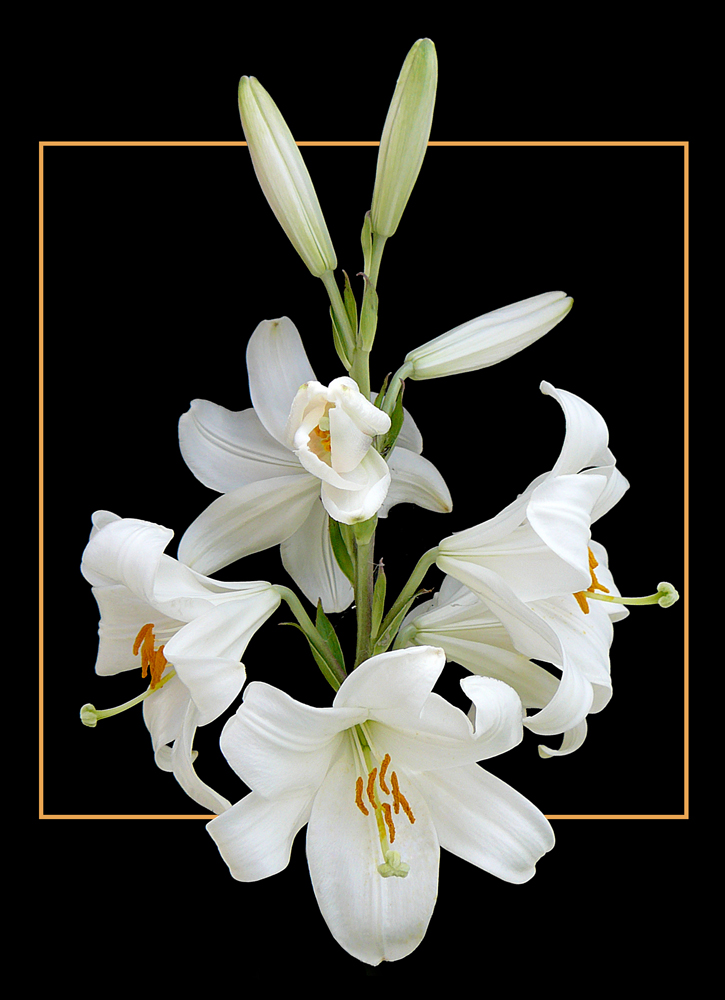
Le corone floreali sono degli oggetti ornamentali comunemente utilizzati durante alcune funzioni sacre — principalmente i matrimoni e i funerali — con un chiaro valore simbolico. Il loro utilizzo affonda le radici nella storia. Le corone venivano impiegate nei matrimoni già nell’antica Grecia, e in Cina durante l’epoca vittoriana. Anche chi sfilava nei cortei di apertura delle Olimpiadi indossava delle corone di fiori e le divinità raffigurate sulle monete greche — Zeus, Apollo, Dioniso, Afrodite — spesso ne indossavano una. Oggi purtroppo quella piú diffusa è la corona fiori funerale, ma le corone di fiori hanno tantissimi altri usi.
Le corone floreali, oltre a essere utilizzate nelle funzioni sacre, vengono indossate ad esempio anche da alcuni movimenti di protesta. È il caso delle militanti appartenenti alle Femen — un movimento femminista di protesta ucraino fondato nel 2008 — che ispirandosi al costume nazionale ucraino portano occasionalmente delle coroncine di fiori freschi mentre svolgono le loro azioni di protesta. L’usanza sembra infatti avere origini slave. Prima della conversione al cristianesimo a indossare delle corone di fiori erano le ragazze o le donne non sposate.
Oggi le corone di fiori si possono acquistare, ovviamente, ma sono anche molto semplici da realizzare. Basta procurarsi dei fiori freschi, delle foglie verdi, un filo e avere sufficiente manualità. Se si vuole invece aggiungere una corona floreale digitalmente a una fotografia prima di condividerla sui social lo si può fare in modo immediato. Esistono infatti molti filtri che permettono di modificare le proprie foto aggiungendo una corona di fiori sulla propria testa.
L’industria floreale resta una delle più spettacolari, e spesso attrae molti curiosi. È il caso ad esempio del campo di tulipani di Cornaredo, in Lombardia, che ogni anno attira migliaia di persone che osservano i circa 250 mila fiori, di 183 varietà diverse, che crescono lungo la strada per Pregnana. La fioritura naturale dei tulipani dura non più di due settimane, e quando i tulipani di Cornaredo sbocciano è sempre un piccolo evento nel milanese.
Oltre a essere utilizzate nei matrimoni, le corone floreali vengono impiegate anche durante le cerimonie funebri. Consegnare fiori ai defunti e ornare le tombe è una tradizione antichissima, che ancora oggi viene portata avanti in molti Paesi. Esistono anche dei fiori particolarmente indicati. In occidente il fiore funebre per eccellenza è il crisantemo. Altri fiori funebri molto utilizzati anche per le corone, sono i garofani, i gigli e le rose. La tradizione vuole inoltre che la corona da donare al defunto sia di forma circolare, come simbolo della circolarità della vita che non si interrompe mai. Un altro riferimento alla tradizione cristiana è legato all’uso di piante sempreverdi, che simboleggiano la vita eterna.
Le corone floreali quindi non sono solo un modo per sottolineare la femminilità, ma hanno una precisa funzione rituale che è sopravvissuta più o meno intatta nel corso dei secoli e che ancora oggi le rende un oggetto estremamente attuale.
fonte thesubmarine.it
By: Glen R. Horst MDiv, DMin, BA
Family members or close friends may choose to be involved in washing and dressing the body after death has occurred. Caring for a body is not easy and can stir up strong emotions. See Moments After a Death. Many people turn to health care providers and funeral directors for help. They find comfort and assurance in entrusting the body to those who provide professional services. The deceased may have left instructions for their after-death care to be handled by the health care team and chosen funeral home. Other people practice religions or belong to communities that view care of the body as a family responsibility. Their faith community, elders or neighbours provide guidance and support for hands-on care of the body. For some, this is a way of honouring the person – a final act of kindness to him or her.
This article outlines the steps involved in the care of the body after death.
In advance of the death
Talk to the health care team in advance about family or friend involvement in after-death care. You may also want to talk to the health care team about the supplies and assistance that will be required.
Washing, dressing and positioning the body
Washing and dressing the body is an act of intimacy and sign of respect. Those who were most involved in the person’s physical care may feel the most comfortable in doing this. Continued respect for the person’s modesty is essential.
Regardless of whether the person died at home or in hospital, hospice or nursing home, washing and positioning the body is best done where death occurs before stiffening of the body (rigor mortis) sets in. Rigor mortis happens within two to seven hours after death. Regardless of the location of care, you may need four to six people to help in gently moving and turning the body.
At home, you can wash the body in a regular bed. However, a hospital bed or narrow table will make the task easier. Since the body may release fluids or waste after death, place absorbent pads or towels under it. It is important to take precautions to protect yourself from contact with the person’s blood and body fluids. While you are moving, repositioning and washing the body, wear disposable gloves and wash your hands thoroughly after care.
Washing the person’s body after death is much like giving the person a bath during his or her illness.
1. Wash the person’s face, gently closing the eyes before beginning, using the soft pad of your fingertip. If you close them and hold them closed for a few minutes following death, they may stay closed on their own. If they do not, close again and place a soft smooth cloth over them. Then place a small soft weight to keep the eyes in position. To make a weight, fill a small plastic bag with dry uncooked rice, lentils, small beans or seeds.
After you have washed the face, close the mouth before the body starts to stiffen. If the mouth will not stay shut, place a rolled-up towel or washcloth under the chin. If this does not provide enough support to keep the mouth closed, use a light-weight, smooth fabric scarf. Place the middle of the scarf at the top of the head, wrapping each end around the side of the face, under the chin and up to the top of the head where it can be gently tied. These supports will become unnecessary in a few hours and can be removed.
2. Wash the hair unless it has been washed recently. For a man, you might shave his face if that would be his normal practice. You can find step-by-step instructions in the video Personal Hygiene – Caring for hair.
3. Clean the teeth and mouth. Do not remove dentures because you may have difficulty replacing them as the body stiffens.
4. Clean the body using a facecloth with water and a small amount of soap. Begin with the arms and legs and then move to the front and back of the trunk. You may need someone to help you roll the person to each side to wash the back. If you wish, you can add fragrant oil or flower petals to your rinse water. Dry the part of the body you are working on before moving to another. Some families or cultures may also choose to apply a special lotion, oil or fragrance to the person’s skin.
5. Dress or cover the body according to personal wishes or cultural practices. A shirt or a dress can be cut up the middle of the back from the bottom to just below but not through the neckline or collar. Place the arms into the sleeves first and then slipping the neck opening over the head, tucking the sides under the body on each side.
6. Position the arms alongside his or her body and be sure the legs are straight. If the person is in a hospital bed with the head raised, lower the head of the bed to the flat position.
The Canadian Integrative Network for Death Education and Alternatives (CINDEA) has a video series on post-death care at home that includes videos on “Washing the Head, Face, and Mouth”, “Washing the Body”, “Dressing the Body”.
Next steps
If a funeral home is assisting with the funeral, cremation or burial, call to arrange for transport of the body to their facility. If the death has occurred in a hospital, hospice or long-term care facility, the staff will arrange for the body to be picked up by the funeral home of your choice. In hospital, once the family agrees, the body is moved to the morgue and kept there until transported to the funeral home.
If your family is planning a home funeral or burial, cover the body in light clothing so it will stay as cool as possible. A fan, air conditioning, dry ice or an open window in the room where you place the body will help to preserve it.
fonte virtualhospice.ca
Ludus de morte Claudii (o Divi Claudii apotheosis per saturam), generalmente noto col nome di Apokolokyntosis, (parola che implicherebbe un riferimento a kolokýnte, cioè la zucca, forse come emblema di stupidità) indica la parodia della divinizzazione di Claudio decretata dal senato romano alla sua morte. Nel testo di Seneca non si parla di zucche e l’apoteosi non ha luogo; il termine andrebbe dunque inteso non come “trasformazione in zucca”, ma come “deificazione di una zucca, di uno zuccone”. Tacito (Annales, XIII 3) afferma che Seneca aveva scritto la laudatio funebris dell’imperatore morto (pronunciata da Nerone), però, in occasione della divinizzazione di Claudio, che aveva suscitato le ironie degli stessi ambienti di corte e dell’opinione pubblica, potrebbe aver dato sarcastico sfogo al risentimento contro l’imperatore che lo aveva condannato all’esilio (l’opera sarebbe del 54).
Il componimento narra la morte di Claudio e la sua ascesa all’Olimpo nella vana pretesa di essere assunto fra gli dèi. Qui egli incontra Augusto che inizia a raccontare tutti i misfatti del suo impero; gli dèi lo condannano quindi a discendere, come tutti i mortali, agli inferi, dove egli finisce schiavo di Caligola e da ultimo viene assegnato da Minosse al liberto Menandro: una condanna di contrappasso per chi aveva fama di esser vissuto in mano dei suoi potenti schiavi. Allo scherno per l’imperatore defunto Seneca contrappone, all’inizio dell’opera, parole di elogio per il suo successore, preconizzando nel nuovo principato un’età di splendore e di rinnovamento.
Claudio viene rappresentato come violento, claudicante e gobbo: Seneca calca la mano sui suoi difetti fisici, ribaltando l’attitudine celebrativa di certi scritti con una forma profondamente irriverente.

 InAltriLuoghi